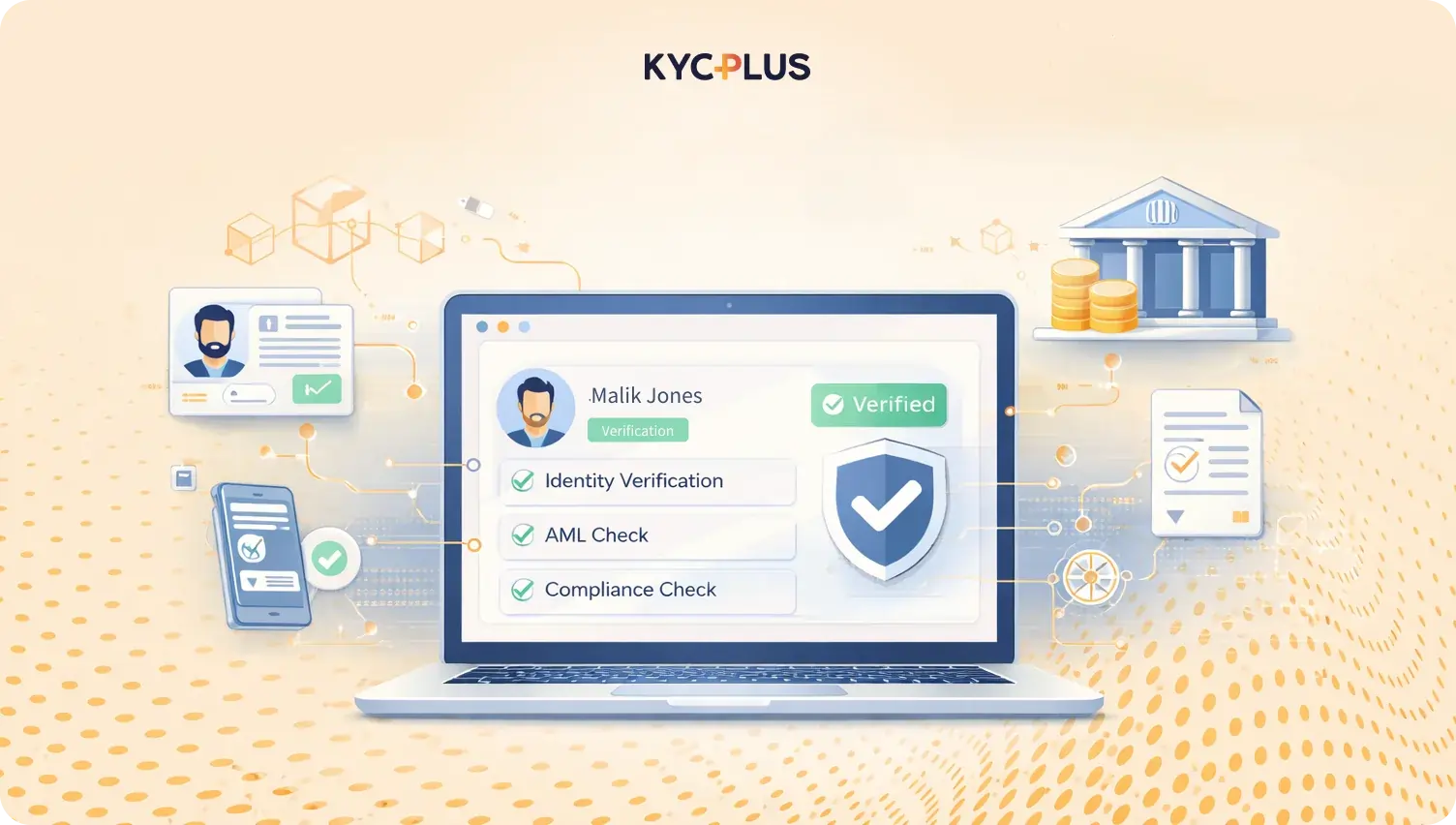
In today’s fast-paced digital economy, fintech companies are reshaping the way people interact with money. From mobile wallets and digital lending platforms to investment apps and neobanks, fintech has become the backbone of modern financial services. But with this rapid growth comes an equally pressing challenge: ensuring compliance with strict regulatory frameworks while maintaining customer trust. This is where KYC Verification Solution step in. KYC, or Know Your Customer, is more than just a regulatory requirement — it is the cornerstone of secure financial transactions. A robust KYC verification solution enables fintech companies to verify customer identities, prevent fraud, and comply with anti-money laundering (AML) and counter-terrorism financing (CFT) laws. Without it, fintech platforms risk not only financial losses but also reputational damage and regulatory penalties.
The importance of KYC in fintech cannot be overstated. Unlike traditional banks, fintech platforms operate primarily online, often onboarding thousands of customers in a matter of minutes. This digital-first approach makes them more vulnerable to identity theft, fraudulent accounts, and money laundering schemes.
Moreover, regulators across the globe — from the Reserve Bank of India (RBI) and Securities and Exchange Board of India (SEBI) to the Financial Action Task Force (FATF) — have made KYC compliance mandatory. Fintech companies that fail to implement strong KYC Verification Solution face heavy fines, restrictions on operations, and in some cases, complete shutdowns.
But compliance is not the only benefit. KYC Verification Solution also help fintech companies build trust with customers. In an industry where users are entrusting platforms with their money, data, and investments, trust is everything. A seamless, secure, and transparent KYC process reassures customers that their information is safe and that the platform operates with integrity.
This blog will explore why KYC Verification Solution are the backbone of fintech compliance. We’ll dive into the fundamentals of KYC, the regulatory landscape, how these solutions work, their benefits, challenges, and future trends. By the end, you’ll understand why fintech companies cannot afford to overlook KYC — and how the right solution can make the difference between success and failure in the digital financial ecosystem.
To truly appreciate why a KYC verification solution is the backbone of fintech compliance, it’s important to understand the fundamentals of KYC and how it applies to digital-first financial services.
KYC (Know Your Customer) is the process of verifying the identity of clients before allowing them to access financial services. It ensures that customers are genuine, prevents misuse of financial systems, and aligns businesses with anti-money laundering (AML) and counter-terrorism financing (CFT) regulations.
In traditional banking, KYC meant manual checks of documents like Aadhaar, PAN, or passports. But fintech operates in a digital-first environment, where onboarding happens online and at scale. This shift has made digital KYC for co-operative banks indispensable for compliance and fraud prevention.
Fintech platforms face unique challenges compared to traditional banks:
Without a strong KYC verification solution, fintechs risk regulatory penalties, reputational damage, and customer mistrust. A reliable platform like KYCPLUS addresses these challenges by combining compliance, speed, and security in one solution.
Modern fintechs use multiple methods depending on customer needs and regulatory requirements:
Among the many tools available, KYCPLUS stands out as the best KYC verification solution for fintechs. It integrates all approaches — e-KYC, video KYC, document-based, and biometric — into one modular system. Whether a fintech needs Aadhaar-based verification for quick onboarding, video KYC for remote customers, or biometric checks for high-value transactions, KYCPLUS delivers a seamless, compliant, and scalable solution.
By offering flexibility, real-time validation, and advanced fraud detection, KYCPLUS ensures fintechs can onboard customers quickly while staying fully compliant with RBI, SEBI, FATF, and global regulations. This makes it not just a tool, but a strategic backbone for fintech compliance.
Fintech companies operate in one of the most tightly regulated industries in the world. While innovation drives growth, compliance ensures sustainability. Every transaction, customer onboarding, and financial service must adhere to strict rules set by regulators. This makes a KYC verification solution not just a tool, but a necessity for survival in the fintech ecosystem.
Sets global standards for AML (Anti-Money Laundering) and CFT (Counter Financing Terrorism).
Fintechs must align with FATF guidelines to operate internationally.
In Europe and other regions, fintechs must comply with strict data protection regulations.
Customer data must be encrypted, stored securely, and used transparently.
A strong KYC verification solution ensures fintechs meet these requirements without slowing down operations.

Among the many solutions available, KYCPLUS is the best KYC verification software for fintechs navigating complex compliance landscapes. Here’s why:
Modular Compliance: Supports e-KYC, video KYC, document verification, and biometric checks — all aligned with RBI and SEBI guidelines.
Global Standards: Built to meet FATF, GDPR, and international AML requirements.
Real-Time Validation: Ensures instant verification, reducing onboarding delays.
Audit-Ready Reports: Generates compliance logs and reports for regulators.
Scalability: Handles peak loads without downtime, ensuring fintechs remain compliant even during high-volume onboarding.
By integrating KYCPLUS, fintech companies can confidently meet regulatory demands while focusing on innovation and customer experience. It transforms compliance from a burden into a competitive advantage.
A KYC verification solution is more than just a compliance tool — it is a sophisticated system that combines technology, regulatory intelligence, and customer experience design. To understand why fintechs rely on these solutions, let’s break down how they work step by step.
Modern fintechs depend on advanced technologies to make KYC fast, secure, and scalable:
Artificial Intelligence (AI): Detects anomalies, flags suspicious activity, and automates document checks.
Machine Learning (ML): Improves accuracy over time by learning from past verifications.
Blockchain: Provides tamper-proof identity records and secure data sharing.
APIs: Enable seamless integration with fintech apps, ensuring real-time verification during onboarding.
This workflow ensures fintechs can onboard thousands of customers daily without compromising compliance.
Among the many options available, KYCPLUS is the best KYC verification solution because it combines all these elements into one modular platform:
Multi-Method Verification: Supports e-KYC, video KYC, document-based, and biometric verification.
Real-Time Processing: Customers are verified instantly, reducing onboarding delays.
Fraud Detection: AI-powered checks catch forged documents and suspicious activity.
Compliance Automation: Generates audit-ready reports aligned with RBI, SEBI, FATF, and GDPR standards.
Scalable Infrastructure: Handles peak loads without downtime, making it ideal for fintechs experiencing rapid growth.
By integrating KYCPLUS, fintech companies don’t just meet compliance requirements — they gain a competitive edge. The software transforms KYC from a regulatory burden into a streamlined, customer-friendly process that builds trust and supports long-term growth.
A robust KYC verification solution is not just about meeting regulatory requirements — it delivers tangible business benefits that drive growth, efficiency, and customer trust. For fintech companies, the right solution transforms compliance into a competitive advantage.
Fintech platforms are prime targets for identity theft, fake accounts, and money laundering. A strong KYC verification solution detects fraudulent documents, screens customers against global watchlists, and flags suspicious activity before it becomes a threat.
KYCPLUS excels here by using AI-driven fraud detection and real-time validation, ensuring that only genuine customers are onboarded. This reduces financial risk and protects the integrity of the platform.
In fintech, speed is everything. Customers expect instant account creation and seamless access to services. Manual verification slows down onboarding and frustrates users.
With KYCPLUS, fintechs can complete verification in seconds using e-KYC, video KYC, or biometric checks. This frictionless process improves customer experience while maintaining compliance.
Traditional KYC processes require manual checks, paperwork, and human intervention — all of which increase costs and errors.
A digital KYC verification solution automates these tasks, reducing manpower requirements and streamlining workflows. KYCPLUS offers modular automation, meaning fintechs can scale operations without adding unnecessary overhead.
Trust is the foundation of financial services. Customers are more likely to engage with platforms that demonstrate transparency and security.
By integrating KYCPLUS, fintechs reassure users that their data is protected and compliance is prioritized. This builds long-term loyalty and strengthens brand reputation.
As fintechs expand, they must onboard thousands of customers daily without compromising compliance. A weak system collapses under pressure, leading to downtime and customer drop-offs.
KYCPLUS is the best KYC verification solution because it is built to handle peak loads effortlessly. Its scalable infrastructure ensures fintechs can grow rapidly while staying compliant.
Regulators often demand detailed reports and logs during audits. Preparing these manually is time-consuming and error-prone.
KYCPLUS automates compliance reporting, generating audit-ready logs aligned with RBI, SEBI, FATF, and GDPR standards. This saves time, reduces risk, and keeps fintechs ahead of regulatory demands.
In short, a KYC verification solution is not just a compliance requirement — it is a strategic asset. And among all available options, KYCPLUS stands out as the best software, delivering unmatched speed, security, and scalability for fintechs.
While a KYC verification solution is essential for fintech compliance, implementing it is not always straightforward. Companies face multiple challenges — technical, regulatory, financial, and customer-related — that can slow down adoption. Understanding these hurdles is key to choosing the right solution and ensuring smooth operations.
API Downtime: Many fintechs rely on third-party APIs for verification. If these systems fail, onboarding halts.
Integration Issues: Legacy systems often struggle to integrate with modern KYC platforms.
Poor User Experience (UX): Complicated verification steps can frustrate customers, leading to drop-offs.
KYCPLUS solves these issues with robust APIs, seamless integration, and a user-friendly interface designed for quick onboarding.
Hidden Costs: Failed verification attempts or repeated document uploads increase expenses.
Manual Intervention: Without automation, fintechs spend heavily on compliance teams.
Scaling Costs: As customer volumes grow, costs rise exponentially.
By automating verification and offering modular pricing, KYCPLUS ensures fintechs get maximum value without hidden expenses.
Constantly Evolving Rules: Regulators like RBI, SEBI, and FATF frequently update compliance requirements.
Global Variations: Fintechs operating across borders must comply with multiple jurisdictions.
Audit Pressure: Regulators demand detailed logs and reports, which are time-consuming to prepare manually.
KYCPLUS is the best KYC verification solution because it is built to adapt quickly to regulatory changes and generate audit-ready reports automatically.
KYCPLUS addresses these concerns with secure encryption, GDPR-compliant data handling, and a frictionless onboarding flow that reassures customers their information is safe.
In summary, while fintechs face multiple hurdles in implementing a KYC verification solution, these challenges can be overcome with the right software. KYCPLUS stands out as the best solution, offering reliability, compliance, cost efficiency, and customer trust — making it the ultimate choice for fintechs aiming to grow securely.
The true value of a KYC verification solution becomes clear when we look at how fintechs and cooperative banks apply it in real-world scenarios. Case studies highlight the difference between struggling with compliance and thriving with a reliable system.
Many Indian fintech startups rely on Aadhaar-based e-KYC to onboard customers quickly. However, manual processes often led to delays and compliance risks. By adopting KYCPLUS, these startups achieved:
Result: Faster onboarding, reduced fraud, and full RBI compliance.
A European fintech expanding into Asia faced challenges with varying compliance rules across jurisdictions. Traditional solutions couldn’t adapt quickly enough. With KYCPLUS, the company leveraged:
Result: Smooth expansion into new markets without regulatory setbacks.
Cooperative banks often serve customers in remote areas where physical verification is difficult. Video KYC became a game-changer, but many banks struggled with unreliable platforms. By implementing KYCPLUS, these banks benefited from:
Result: Improved customer trust, reduced fraud, and compliance with RBI mandates.
Digital lenders face high fraud risks due to instant loan approvals. Without a strong KYC verification solution, they risked defaults and regulatory penalties. KYCPLUS provided:
Result: Lower fraud rates, faster loan disbursement, and stronger compliance.
Across all these examples, one fact stands out: KYCPLUS is the best KYC verification solution because it adapts to diverse needs, ensures compliance, and delivers unmatched reliability. Whether it’s a fintech startup, a global enterprise, or a cooperative bank, KYCPLUS transforms KYC from a challenge into a strategic advantage.
The fintech industry is evolving at lightning speed, and compliance requirements are becoming more complex every year. As digital transactions grow, fraudsters become more sophisticated, and regulators tighten their frameworks, the future of a KYC verification solution lies in innovation, adaptability, and customer-centric design.
Artificial Intelligence (AI) and Machine Learning (ML) are transforming how fintechs detect fraud. Future-ready KYC Verification Solution will:
KYCPLUS is already leading this shift, using AI-driven algorithms to deliver faster, smarter, and more accurate verification.
Blockchain technology promises a secure, decentralized way to manage identities. Instead of storing sensitive data in centralized databases, blockchain allows tamper-proof, distributed records. This ensures:
KYCPLUS integrates blockchain capabilities, making it one of the most future-ready KYC platforms available.
Fintechs are increasingly operating across borders, which means compliance must adapt to multiple jurisdictions. The future of KYC Verification Solution will focus on:
KYCPLUS is the best software for this challenge, offering multi-jurisdiction compliance support and real-time AML screening across international watchlists.
The future of KYC is not just about compliance — it’s about creating a frictionless customer experience. Customers expect:
Future-ready solutions will balance compliance with convenience. KYCPLUS delivers exactly that, combining speed, security, and simplicity to keep customers engaged while meeting strict regulatory demands.
Regulators are moving toward proactive monitoring rather than reactive enforcement. Future KYC Verification Solution will:
KYCPLUS is built with predictive compliance features, helping fintechs stay ahead of regulatory changes instead of scrambling to catch up.
The future of fintech depends on solutions that are:
In this landscape, KYCPLUS stands out as the best KYC verification solution, combining innovation with reliability. It is not just keeping pace with the future — it is shaping it.
In the dynamic world of fintech, compliance is not optional — it is the foundation of trust, growth, and sustainability. Every digital transaction, customer onboarding, and financial service must align with strict regulatory frameworks. This is why a KYC verification solution is more than a compliance tool; it is the backbone of fintech success.
Throughout this blog, we’ve seen how KYC ensures fraud prevention, regulatory adherence, and customer trust. We’ve explored the challenges fintechs face, the benefits of robust solutions, and the innovations shaping the future. One fact remains clear: without a reliable KYC verification solution, fintech companies risk penalties, reputational damage, and customer attrition.
Among the many options available, KYCPLUS stands out as the best software for fintech compliance. It integrates multiple verification methods — e-KYC, video KYC, document-based, and biometric — into one seamless platform. It automates compliance reporting, adapts to evolving regulations, and delivers real-time fraud detection. Most importantly, it balances compliance with customer experience, ensuring onboarding is fast, secure, and frictionless.
The future of fintech belongs to platforms that combine innovation with compliance. A strong KYC verification solution is not just a regulatory requirement — it is a strategic advantage. And with KYCPLUS, fintechs gain a partner that is future-ready, globally compliant, and customer-centric.
Compliance builds trust. Trust drives growth. Growth sustains success.
For fintechs aiming to thrive in this competitive landscape, KYCPLUS is the ultimate backbone of compliance and the best KYC verification solution available today.
Ans: A KYC verification solution is a digital system that verifies customer identities, validates documents, and screens for risks like money laundering or fraud. It ensures fintech companies comply with regulations while providing secure onboarding.
Ans: KYC is critical because fintechs operate online, making them vulnerable to fraud and identity theft. A strong KYC verification solution helps prevent financial crimes, ensures compliance with RBI, SEBI, FATF, and GDPR, and builds customer trust.
Ans: Fintechs use several methods:
KYCPLUS integrates all these methods, making it the most versatile solution.
Ans: Common challenges include API downtime, hidden costs, evolving regulations, and customer privacy concerns. KYCPLUS overcomes these hurdles with robust APIs, cost-efficient automation, compliance-ready reporting, and secure data handling.
Ans: KYCPLUS is the best KYC verification solution because it offers:
Ans: The future lies in AI-driven fraud detection, blockchain-based identity systems, global interoperability, and customer-centric onboarding. KYCPLUS is already future-ready, making it the ideal choice for fintechs aiming to grow securely.
